
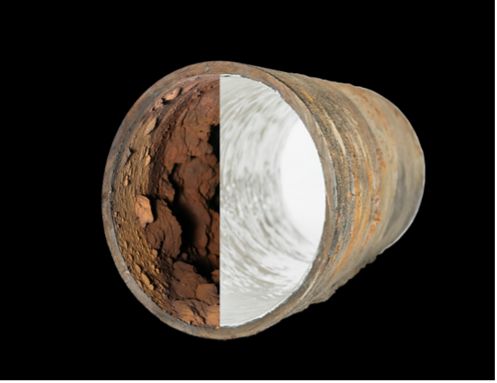
Sewer clogs are inconvenient any time of year, but they can be especially problematic during Minnesota winters. Cold temperatures, frozen ground, and snow-covered access points can make sewer repairs more difficult—and untreated clogs can quickly worsen in freezing conditions.
Understanding the most common causes of winter sewer clogs in the Twin Cities can help you prevent costly damage and act quickly when problems arise. For fast, reliable solutions, contact Trenchless Pipe Repair, proudly serving the Twin Cities, Minnesota area.
Why Sewer Clogs Are Worse in Winter
During winter, sewer lines are more vulnerable due to frozen soil, increased indoor water usage, and slowed drainage. When a clog forms, freezing temperatures can cause backups to escalate into cracked pipes or sewage intrusion.
Below are five of the most common reasons homeowners experience sewer clogs during the winter months.
1. Winter Storms and Heavy Rain
While snow is common in Minnesota, winter rainstorms can also overwhelm local sewer systems. Excess water entering storm drains can:
-
Overload municipal sewer lines
-
Push debris into residential sewer pipes
-
Cause water to back up into homes
If storm drains or sewer mains become blocked, wastewater may have nowhere to go—leading to basement or floor drain backups.
2. Tree Roots in Sewer Lines
Even though trees are dormant in winter, tree roots remain one of the leading causes of sewer clogs. Roots grow into sewer lines in search of moisture and nutrients, cracking or infiltrating pipes.
Over time, roots trap debris, grease, and waste. While growth may slow in winter, accumulated debris can suddenly cause a blockage—especially when cold temperatures reduce water flow.
3. Sagging or Bellied Sewer Lines
A sagging sewer line—also known as a belly—occurs when a section of pipe sinks due to:
-
Poor installation
-
Soil erosion
-
Ground movement
This low point allows waste and debris to collect instead of flowing properly. In winter, slower drainage and freezing conditions increase the likelihood of a full sewer clog.
4. Soil Shifting and Frost Heave
Minnesota’s freeze-thaw cycles can significantly impact underground pipes. As soil freezes, expands, and thaws, it can:
-
Crack sewer pipes
-
Shift pipe alignment
-
Cause collapses or separations
Construction activity or heavy equipment can further disturb the soil, increasing the risk of sewer damage and clogs.
5. Improper Disposal of Grease and Food Waste
Winter often means more cooking, entertaining, and holiday gatherings. Unfortunately, this also leads to increased disposal of:
-
Grease and cooking oils
-
Food scraps
-
Non-flushable items
In cold weather, fats and oils solidify faster inside sewer lines, creating stubborn blockages that worsen over time.
Signs of a Sewer Clog During Winter
If you notice any of the following issues, your home may have a main sewer line clog:
Multiple Fixtures Backing Up
When more than one drain clogs at the same time, the issue is likely in the main sewer line—not an individual drain.
Water Backups
Water backing up into toilets, tubs, or showers—especially when using other plumbing fixtures—is a strong sign of a sewer blockage.
Slow Drains Throughout the Home
Slow drainage across multiple fixtures can indicate a partial clog that may worsen as temperatures drop.
Don’t Wait—Address Winter Sewer Clogs Quickly
Sewer clogs can escalate rapidly during freezing conditions, leading to cracked pipes, sewage backups, and costly repairs. Acting early can prevent significant damage and reduce repair costs.
If you suspect a sewer clog in the Twin Cities, contact Trenchless Pipe Repair, serving homeowners throughout Minnesota, to diagnose and resolve the issue before it becomes a major problem.